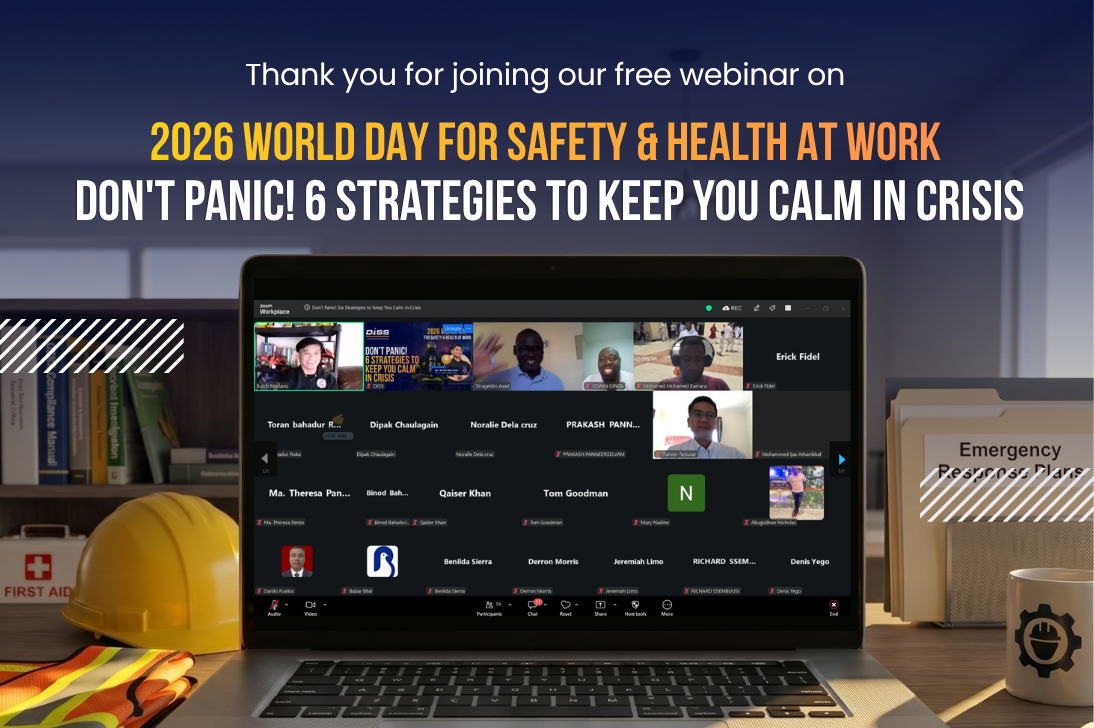
Why E-Learning Is the Future of HSE Training
In today’s fast-paced and highly regulated work environments, Health, Safety, and Environment (HSE) training is no longer optional—it is a critical requirement for organizations committed to safety excellence. Traditionally delivered through classroom sessions, HSE training is now undergoing a major transformation. Thanks to digital innovation, E-Learning has emerged as the most effective, scalable, and forward-thinking way to train workforces across industries.
Here’s why E-Learning is rapidly becoming the future of HSE training.
1. Flexible, Self-Paced Learning for Busy Teams
Modern workplaces demand flexibility. Employees juggle multiple responsibilities, shifts, and project deadlines. Traditional classroom training often disrupts schedules and pulls workers away from operational tasks.
With E-Learning:
-
Learners can complete modules anytime, anywhere
-
Training fits around real work schedules
-
Employees learn at their own comfortable pace
-
Organizations can assign training without arranging physical sessions
This flexibility ensures that learning never becomes a burden—and training completion rates increase significantly.
2. Scalable Training for Large or Distributed Workforces
For companies with multiple branches, remote sites, and field staff, organizing physical training sessions is costly and logistically challenging.
E-Learning solves this instantly:
-
A single digital course can train 10 or 10,000 employees at once
-
Standardized learning eliminates inconsistencies
-
Workers in different locations receive identical training
-
Updates can be rolled out to all employees with a single click
Whether your team works in offices, construction sites, offshore facilities, or field operations, E-Learning ensures everyone receives consistent and high-quality HSE education.
3. Enhanced Engagement Through Interactive Content
Digital training is no longer just slides and text. Modern E-Learning platforms offer:
-
Simulations and scenario-based learning
-
Interactive quizzes
-
Short micro-learning videos
-
Hazard-spotting activities
-
Gamified challenges
-
VR/AR safety simulations
These tools mimic real-world HSE situations, encouraging deeper understanding and better retention than traditional lectures.
4. Improved Knowledge Retention and Assessments
Studies show that digital learning improves retention rates by 25–60%, mainly because learners process information interactively rather than passively.
E-Learning also allows:
-
Automated assessments
-
Instant feedback
-
Repeated attempts for mastery
-
Tracking of performance and knowledge gaps
This creates a robust learning pathway where employees not only learn but also retain essential HSE skills.
5. Cost-Effective and Sustainable
Classroom training involves:
-
Travel
-
Venue bookings
-
Printed materials
-
Instructor costs
-
Resource consumption
E-Learning reduces or eliminates all of these.
Once developed, online courses offer long-term cost savings, and updates can be applied without reprinting materials or hosting multiple sessions. This supports both financial efficiency and environmental sustainability.
6. Real-Time Tracking and Compliance Management
Regulatory compliance is a key aspect of HSE. E-Learning platforms come with built-in LMS systems that help organizations:
-
Track training completion
-
Generate automated reports
-
Monitor compliance across departments
-
Schedule refresher courses
-
Maintain digital certificates and audit-ready records
This reduces administrative effort and ensures organizations remain compliant with industry and government standards.
7. Consistent Training That Eliminates Human Variability
In traditional training, delivery varies between instructors, locations, and batches. With digital content:
-
Every learner receives the same message
-
Training is standardized
-
Quality is controlled and consistent
-
No risk of missing or miscommunicated information
Consistency is crucial in HSE, where even a small knowledge gap can lead to major risks.
8. Future-Ready for a Digital Workforce
The future of work is hybrid, remote, and tech-driven. Younger employees entering the workforce prefer digital learning formats over traditional methods. Organizations that adopt E-Learning today:
-
Enhance their employer brand
-
Become more attractive to new talent
-
Stay aligned with global digital transformation trends
E-Learning prepares organizations for the evolving demands of the modern workforce.
Conclusion: Training Built for Tomorrow’s Workplaces
E-Learning is not just another trend—it is the future of HSE training. It brings unmatched flexibility, scalability, cost-efficiency, and engagement to safety education. By adopting digital learning solutions, organizations can create safer workplaces, reduce incidents, and ensure every worker is well-equipped to handle hazards.
In today’s world, the smartest investment an organization can make is in digitally empowered, continuously learning teams—and E-Learning is the most effective path.